VIEWPOINTS
/A HEALTH CRISIS ON OUR DOORSTEP
Does Anyone Have A Solution?
EDITOR’S NOTE: Last month The West End Journal’s editor-at-large James Oakes had an email exchange with Dr. Peter Centre’s CEO Scott Elliott on an issue that is, according to Elliot, “going to get worse.” Opinions are, to say the least, sharply divided on this topic.
Here is Elliott’s response to Oakes’ letter, and responses by Mayor Pete Fry and MLA Spencer Chandra Herbert to questions on the issue.
JAMES OAKES’ LETTER TO SCOTT ELLIOT
Dear Scott
Walking through the trail in Mole Hill yesterday I came across this very disturbing scene at the Jepson-Young Laneway.
The West end journal’s editor-at-large james oakes.
These two poor souls were lying on the ground across the path and on the bench, completely comatose. Two other local residents came upon the scene the same time. After some discussion as to the best course of action we decided calling 911 was futile and agreed that the best action we might take was to walk down to the overdose prevention van parked on Thurlow and report the situation to the attendants.
One attendant went off immediately to investigate, but we learned later that he merely determined that the individuals did not need immediate Naloxone treatment. For which reason the two comatose persons were left lying there. We also reported this to the Dr. Peter Centre front reception.
We are deeply appreciative of the efforts of all involved medical personnel and understand that their options are limited in terms of response capacity.
But we find it difficult to stand by passively, or ignore the situation and wish steps were taken to help the unfortunate souls and to prevent our public spaces from looking like a war zone. One can't help but imagine others - especially children - coming across people lying in the streets in this state.
This email was copied to:
The West End Journal
West End – Coal Harbour Community Police Centre
Coastal Health
MLA Spencer Chandra Herbert
The West End Business Improvement Association
SCOTT ELLIOTT’S RESPONSE
Dear James,
Thank you for writing, and for being the kind of neighbour who stops, takes stock, and acts rather than looks away.
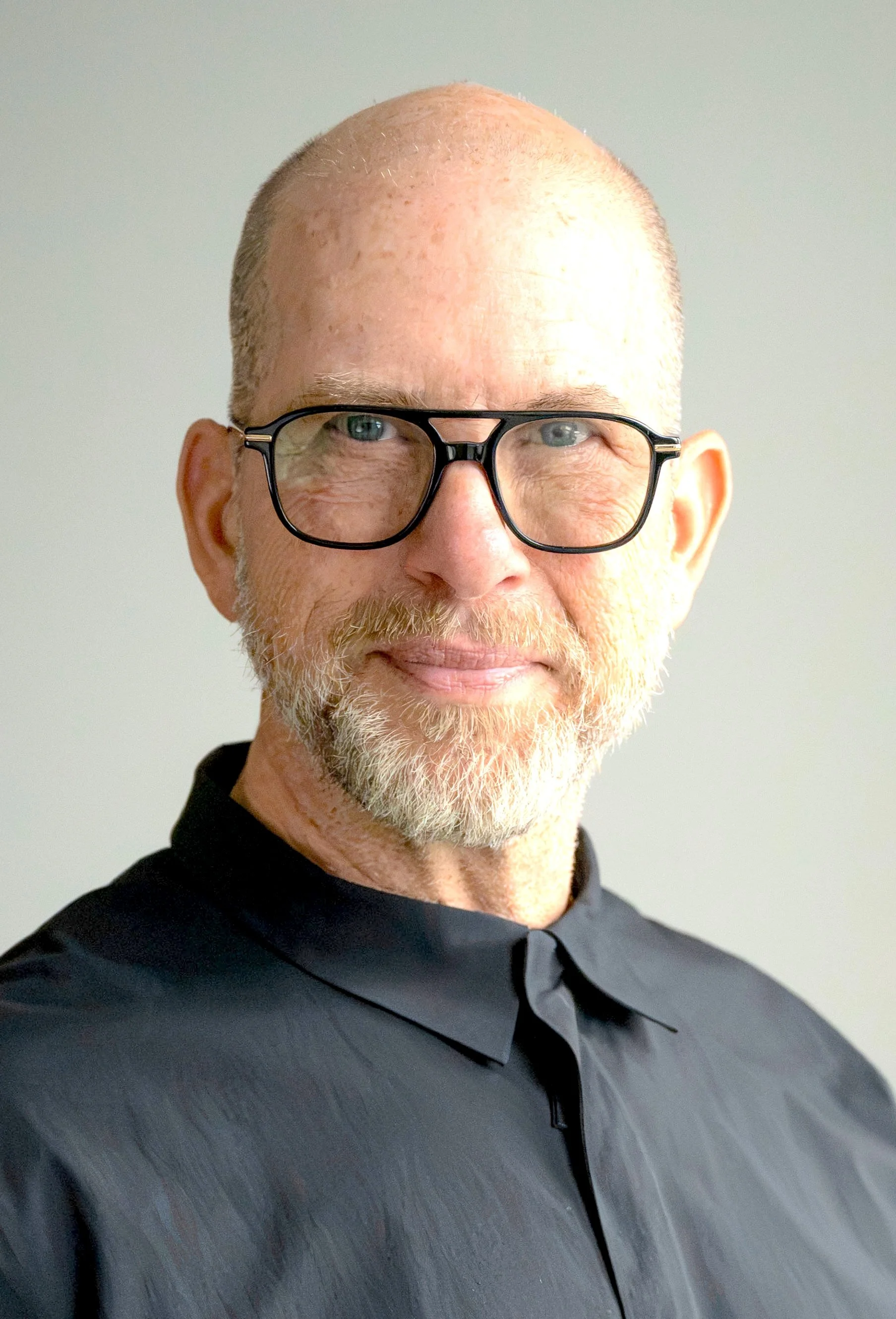
dr. peter centre’s ceo scott elliott.
What you describe isn't an isolated incident, but a pattern playing out across this city and this country, and I want to be direct with you about that rather than offer reassurance that doesn't match reality.
We believe it is going to get worse. Frontline organizations are absorbing service cuts at the same time as this issue becomes more politicized, treated as a debate to be won rather than a crisis solved.
Here in our own neighbourhood, St. Paul's Hospital’s move has no identified plan for how services on the ground will be maintained. As of February 2027 there will be a massive health care void for the Sidelined 2% - those stuck in a polycrisis of substance use, homelessness, mental illness, acute and chronic medical needs.
To compound matters, Nelson Park will be in disarray to build the new substation and local economics will change with the loss of the hospital. These are a few reasons—though by no means the only reasons—why two people ended up on that path.
You wrote: "constructive measures are needed to help these unfortunate souls and to prevent our public spaces from looking like a war zone." I agree completely. But I want to be honest that these measures won't be short-term or expedient. There's no single intervention that resolves a crisis this compounded.
What I can tell you is that solutions exist. Our own Centre is proof of that: social medicine and integrated housing models that bring people inside and keep them there. It's also the work we lead nationally: helping other communities build and scale the same kind of integrated care, so this isn't a Vancouver-only fight.
Like you, I find it difficult to stand by passively and watch these situations unfold. But I don't think the answer is any one organization working harder in isolation. It's more of Vancouver deciding to stand up together.
So, thank you again for caring enough about this to reach out to me. We need more of that.
Best regards,
Scott
WORDS FROM OUR MAYOR & MLA
Prior to the two elections held last month The West End Journal submitted several questions with a West End focus to candidates from all parties. Now, with a new mayor and council in place and our longtime MLA reelected, we thought it appropriate to share related responses here:
PUBLIC DRUG USE AND INVOLUNTARY CARE
Unfortunately we did not ask our city election candidates for their view on the plebiscite on strengthening enforcement of public drug use and involuntary care, though Pete Fry did have some comments to local media after the election. We have included Chandra Herbert’s written reply and Fry’s comments to CBC here.
Q: What are your views on the Vancouver election plebiscite on involuntary care?
AN all too common sight. (James oakes Photo)
SPENCER CHANDRA HERBERT: “Mental health and addiction affect families in every part of our community. People in the West End rightly expect to feel safe on their streets. People in crisis need care that actually works.
“Constituents often share with me their desire for better addictions care and mental heath treatment in BC. We are expanding both voluntary and involuntary care for people with addiction, mental illness, or severe brain injury who cannot keep themselves safe.
“We are building secure care capacity and adding treatment and recovery beds across BC, including at the former Riverview site.
“We are also working upstream, before someone is in crisis, by getting more resources into our schools to help our youth with mental health and other challenges with programs like Foundry.
“I look forward to working together constructively on public safety and compassionate care, and I’m committed to that partnership with incoming Mayor Pete Fry and Council.”
PETE FRY: Once the election results were in Fry told another media outlet that his party is already committed to addressing the issues raised in the plebiscite, and didn’t believe there was a need to spend hundreds of thousands of dollars to poll Vancouverites.
the mobile overdose prevention unit outside st. paul’s hospital.
(James Oakes Photo)
“I am personally committed to taking an approach to open air drug use. I am very committed to making our streets safer” Fry told CBC News.
He also said that his plans “include reversing the ban on net new supportive housing, green-lighting locations for overdose prevention sites with regulations, and introducing a Community Response Outreach Workers Team to respond to non-emergency calls regarding homelessness, public intoxication, and mental health crises."
“They will see a tangible difference, because that is the intention, and the first question to address folks who are unwell and unhoused on our streets. That is a priority for me.”
IN CONCLUSION
There you have it, an exchange between two concerned citizens who see the problem close up and personal every day, and responses from our two levels of government. We are sure that this issue will continue to be front and centre in the months to come, and The West End Journal will continue sharing news and opinion pieces.
We look forward to your thoughts in the Comments section below.